I’m currently reading The Anxious Generation: How the great rewiring of childhood is causing an epidemic of mental illness by Jonathan Haidt. It is a very compelling and well researched book about the impact of, what the author titles, a societal shift from a play-based to a phone-based childhood. One of the concepts he introduces is that children are anti-fragile. He explains anti-fragility by comparing a plant and a glass. Whereas a glass is fragile, if it is knocked over it will break, a plant requires exposure to the elements in order to ‘harden off’. This is something I learnt the hard way when so many of my delicate little seedling perished when their tiny stems couldn’t withstand their weight (see the tragic photos below). Like plants, children need exposure to small amounts of risk in order to develop autonomy, resilience and the social skills to be a functioning member of society. Haidt takes us through various well-intentioned shifts that have made parents over protective in the real world.
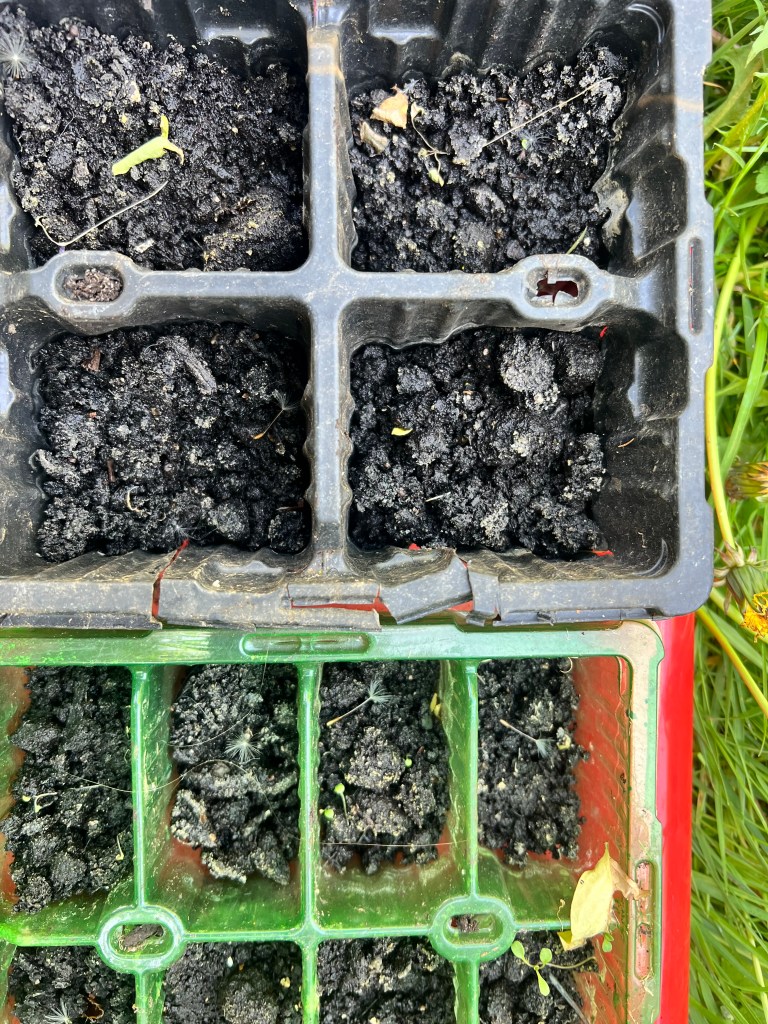
This makes me wonder if we’ve done a similar thing in education. Particularly those of us working with schools in challenging circumstances. We know the impact an education can make to young people’s life chances. What we do matters, every lesson counts. The temptation therefore (particularly in the context of high stakes accountability) to scaffold to high-heaven. This shows that we’re doing something, right? Only this isn’t always what is best for our pupils. In fact, like the anxious parents of the 90s and 00s in Haidt’s book, it says far more about us and our anxieties than what the evidence says works. I wrote yesterday about the dangers of being all up in our own heads rather than actually responding to the what children are saying.
I would suggest when this comes to scaffolding it is particularly key. We never want to let children flounder but the research from cognitive science is clear. Pupils need a desirable amount of difficulty to shift things from their working memory to their long term memory. Challenge, which by definition isn’t easy, is necessary for growth.
This is most starkly evidenced by the research around pupils with Special Educational Needs and how too often support from additional adults holds these pupils back. That is why the Maximising the Impact of Teaching Assistants recommendations advocate that TAs work to develop pupil independence by supporting self-scaffolding and providing the least help first.
I’m trying to apply these learning’s into my leadership too. For example, when I am coaching leaders, it’s really important that I don’t give them all the answers or make them too comfortable where practice needs to improve. The art is knowing what is the right amount of discomfort to support someone to learn but not so much that they become demoralised or let the stress become all consuming. I’m trying to relate to stress in my own life in this way too, and not feel too disheartened by the poor seedlings. One has made it against the odds. Look!


 streamlinedsendco.com
6 thoughts on “‘Safetyism’ and scaffolding: What my seedlings have taught me”